
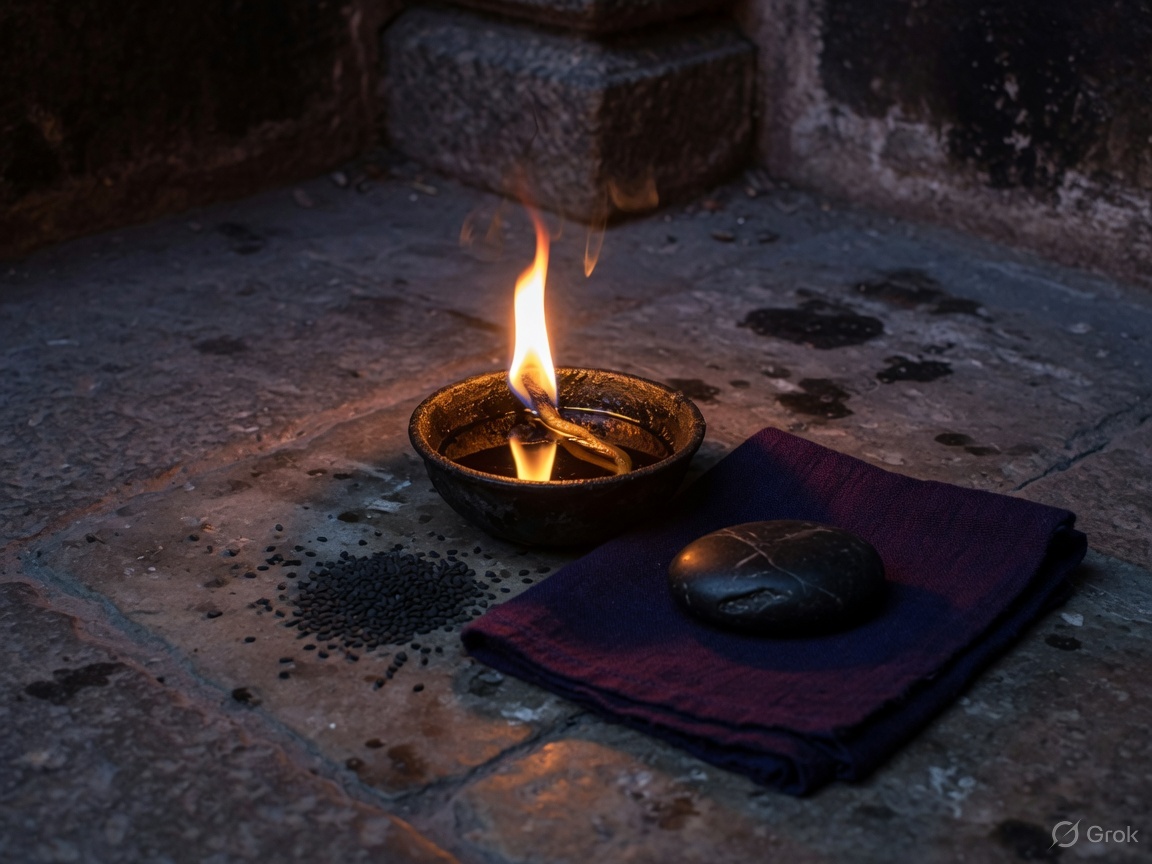
Dosh shanti puja
Shani Sade Sati and Dhaiya Shanti Puja
Shani Shanti for Sade Sati or Dhaiya — sankalp, Shani japa, havan and daan — after the period is dated from your natal Moon.
Shani Shanti for Sade Sati or Dhaiya — sankalp, Shani japa, havan and daan — after the period is dated from the natal Moon. At home or a temple; reading online.
What this includes
- Dating the phase from the natal Moon, with the dasha
- Sankalp, Ganesh pujan and Navagraha avahan
- Shani pujan and mantra japa in the fixed count
- Havan with shami samidha and purnahuti
- Chhaya daan and daan of sesame, oil and iron
- Samagri list on WhatsApp once the date is fixed
People who ask me for a Shani puja have usually been told that seven and a half years of misfortune have begun, often by a newspaper column that named a rashi and a year. Some have been told that Dhaiya is the same thing, or the last part of it. Some have been pouring oil every Saturday out of fear without knowing which phase they are in, or whether they are in one at all. A Shani Shanti is a proper vidhi. It is also a vidhi of composure, not a way to shorten Saturn’s stay in a sign. On this page I set out when I advise it, how I perform it, and what the person carries on after the day. How Sade Sati is counted, phase by phase, is in the Gyaan article on Sade Sati.
First, which period is actually running
- Sade Sati — Shani transiting the twelfth, first and second signs from the natal Moon. Three phases of about two and a half years each: rising, peak and setting.
- Dhaiya — Shani transiting the fourth or the eighth sign from the natal Moon. About two and a half years. It is counted separately, and it is not a portion of Sade Sati.
- Neither — Shani transiting the Lagna or the tenth house is a different question, and it is not Sade Sati, whatever a column says.
The natal Moon is the reference point, not the Lagna, not the Sun sign and not the calendar. Two people born a fortnight apart can have different Moon signs and different windows. I date the phase from the ephemeris against your own Moon before anything else is discussed.
When I advise a Shani Shanti
The transit is the same for everyone with that Moon sign. What differs is the ground it walks on. I look at three things.
- The natal Moon. A waxing Moon, well placed, supported by Guru, carries the peak phase with more composure than a waning Moon under affliction.
- Natal Shani. Shani in Tula or Kumbha, or Shani as the yogakaraka for a Vrishabh or Tula Lagna, is not the same graha as a debilitated or combust Shani.
- The dasha. A Sade Sati or Dhaiya that falls inside a Shani dasha, or the dasha of a graha closely tied to Shani, is read more closely.
Where these point to a heavy period, or the person simply wishes to meet the start of a phase with a sankalp, I advise a Shanti. Where the period is light — a strong Moon, a dignified Shani, an unrelated dasha — I say so. I do not prescribe a puja for every Sade Sati.
How I perform the Shani Shanti
The order I follow at home or in a temple is below. The length depends on the japa count fixed at the sankalp.
- Sankalp. The person names themselves, their gotra, the place, the tithi and the purpose — Sade Sati or Dhaiya, and which phase.
- Ganesh pujan, kalash sthapana and punyahavachan.
- Navagraha avahan, with Shani in his own place in the mandal, on black.
- Shani pujan. Shodashopachar worship with blue or dark flowers, black sesame and sesame oil.
- Japa. The Vedic mantra beginning ‘shanno devir abhishtaya’, or the Pauranik dhyana ‘nilanjana samabhasam’, in a count the household can actually complete. Large counts are shared among ritviks or completed over several Saturdays.
- Havan. A tenth of the japa as aahuti, with shami as Shani’s samidha and black sesame in the samagri, ending in purnahuti.
- Chhaya daan, which many families keep: the person looks at their face in sesame oil in a vessel, and the oil is given away.
- Daan. Black sesame, urad, black cloth, iron or oil, as the household can give.
Shani will leave that sign when the ephemeris says so, whether or not a puja has been done. The Shanti settles the person, not the planet.
What the person carries on after the day
The Shani tradition puts unusual weight on conduct. Shani is the karaka of labour, of servants and of the old. Families are told, rightly, to give to those who work with their hands, to care for elders, and to keep their dealings honest. Many keep the Hanuman Chalisa or the Shani stotra on Saturdays, and a lamp of sesame oil under a peepal tree. None of this can be done on someone else’s behalf, and none of it costs much. It is the part of the Shanti that lasts the seven and a half years.
Choosing the day
Shanivar is the natural weekday. Shani Amavasya — an Amavasya falling on a Saturday — and Shani Jayanti on Jyeshtha Amavasya are days families often ask for. The start of a phase is a natural time for a sankalp. I take the tithi from the Panchang for the place where the person will sit. I do not publish lists of Sade Sati dates by rashi, because the period belongs to a natal Moon, not to a newspaper heading.
What the family arranges, and what I bring
I bring the paddhati: the sankalp in proper form, the mantras, the count and the order. The full samagri list comes on WhatsApp once the date is fixed.
- A clean space for a small havan kund, or the temple’s permission if it is held there.
- The person for whom the Shanti is done, present for the sankalp, the chhaya daan and the purnahuti.
- The daan, chosen by the household, and a simple meal for those present.
How it is held
- At home or in a temple in Sultanpur and the nearby districts — Ayodhya, Prayagraj, Varanasi, Jaunpur, Pratapgarh and Lucknow.
- Further afield in India, with travel arranged in advance.
- The reading — which phase, which dasha, whether a Shanti is needed — can be done by video call or WhatsApp.
- For someone abroad, the japa and havan can be performed in India on their behalf, with the sankalp in their name, and they can join by video. The daan and the Saturday practice are theirs to keep where they live. I do not call that an online puja.
What I need from you
Date of birth, time of birth as precisely as it is known, and place of birth as a town or village. The Moon sign rarely moves with an hour’s error, so the phase can usually be dated even from an uncertain time. The Lagna overlay — which house Shani is crossing in the same years — needs the time. Bring the question you actually have: ‘when does it begin’ or ‘how should I meet it’.
Many people reach me in this period with poor sleep and low spirits. If that has become a long low mood or sleeplessness that will not lift, please see a doctor. A Shanti sits alongside medical care, never instead of it, and I make no promise about work, money, health or a court case.
Questions people ask
- What is the difference between Sade Sati and Dhaiya?
- Sade Sati is Shani’s transit of the twelfth, first and second signs from the natal Moon — about seven and a half years in three phases. Dhaiya is Shani’s transit of the fourth or the eighth sign from the Moon — about two and a half years, counted separately. Dhaiya is not a part of Sade Sati, and a person can be in one without the other.
- Is Shani Shanti puja needed for every Sade Sati?
- No. The transit is the same for everyone with that Moon sign, but the chart it falls on is not. A strong natal Moon, a dignified Shani and a dasha unrelated to Shani often make the period ordinary hard work rather than something to mark with a vidhi. I look at those first, and where a Shanti is not indicated I say so plainly.
- Which day is best for Shani Shanti puja?
- Saturday is Shani’s weekday. Shani Amavasya, when an Amavasya falls on a Saturday, and Shani Jayanti on Jyeshtha Amavasya are days families often ask for, and the start of a new phase is a natural time for a sankalp. Within that, I take the tithi from the Panchang for the place where the person will sit.
- Can Shani Sade Sati puja be done on my behalf if I live abroad?
- Yes. The Shani japa and havan can be performed in India on your behalf, with the sankalp taken in your name and gotra, and you can join by video. The reading itself can be done on WhatsApp or a video call. The daan and the Saturday practice, though, are yours to keep by your own hand where you live. Nobody can do those for you.
- Does Shani Shanti reduce or shorten Sade Sati?
- No. Shani leaves a sign when the ephemeris says so, whether or not a puja has been done, and no vidhi alters that. The word the tradition uses is shanti — settling — and what is settled is the mind with which the period is met. I do not offer it with a promise about work, money, health or any outcome.
- Duration
- 3–4 hours (longer japa over days)
- Where it is held
- At home or in a temple
- Phone
- +91 94547 82346
Shani Sade Sati and Dhaiya Shanti Puja
Book this service RelatedSade Sati of Saturn — what the 7.5 years actually areRead the article
Services
Dosh shanti puja
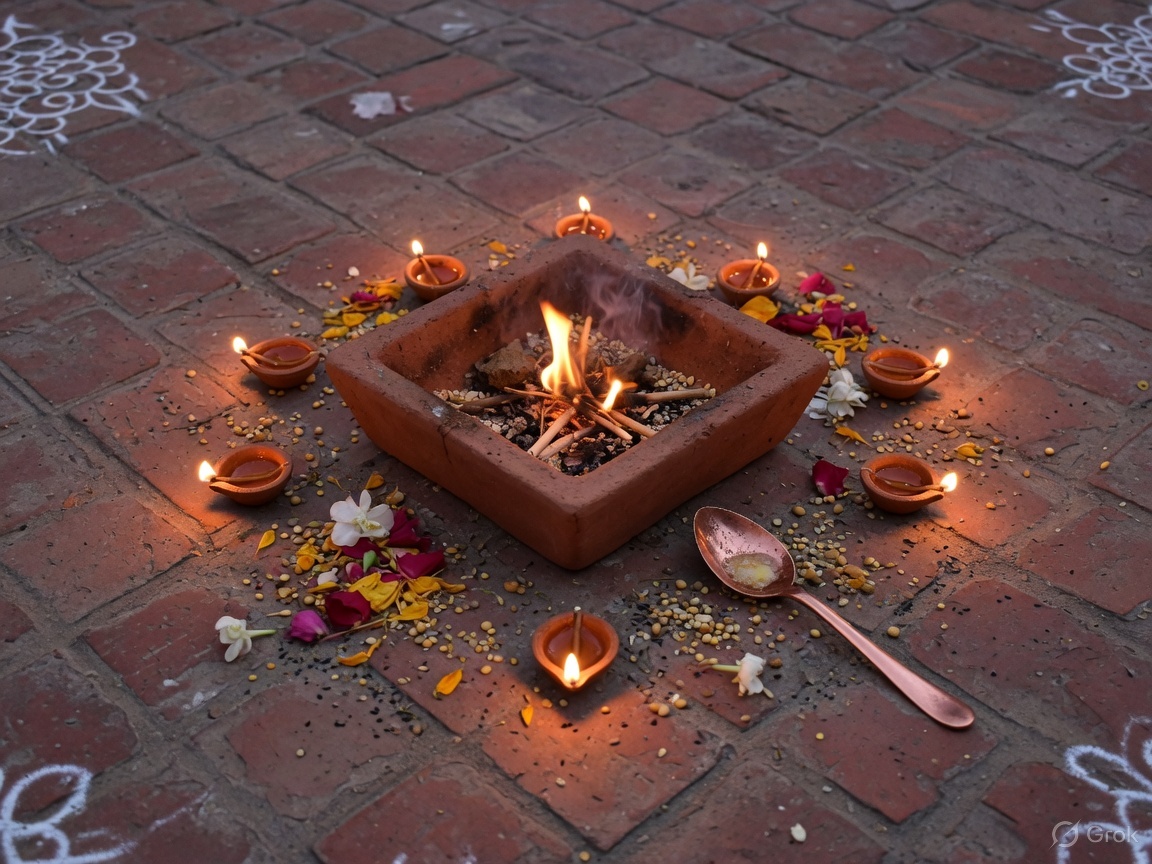
Navgraha Shanti and Graha Shanti Puja
Navgraha Shanti, or the shanti of one graha, decided from the chart’s dasha and gochar — with mantra-jaap, havan and dan.
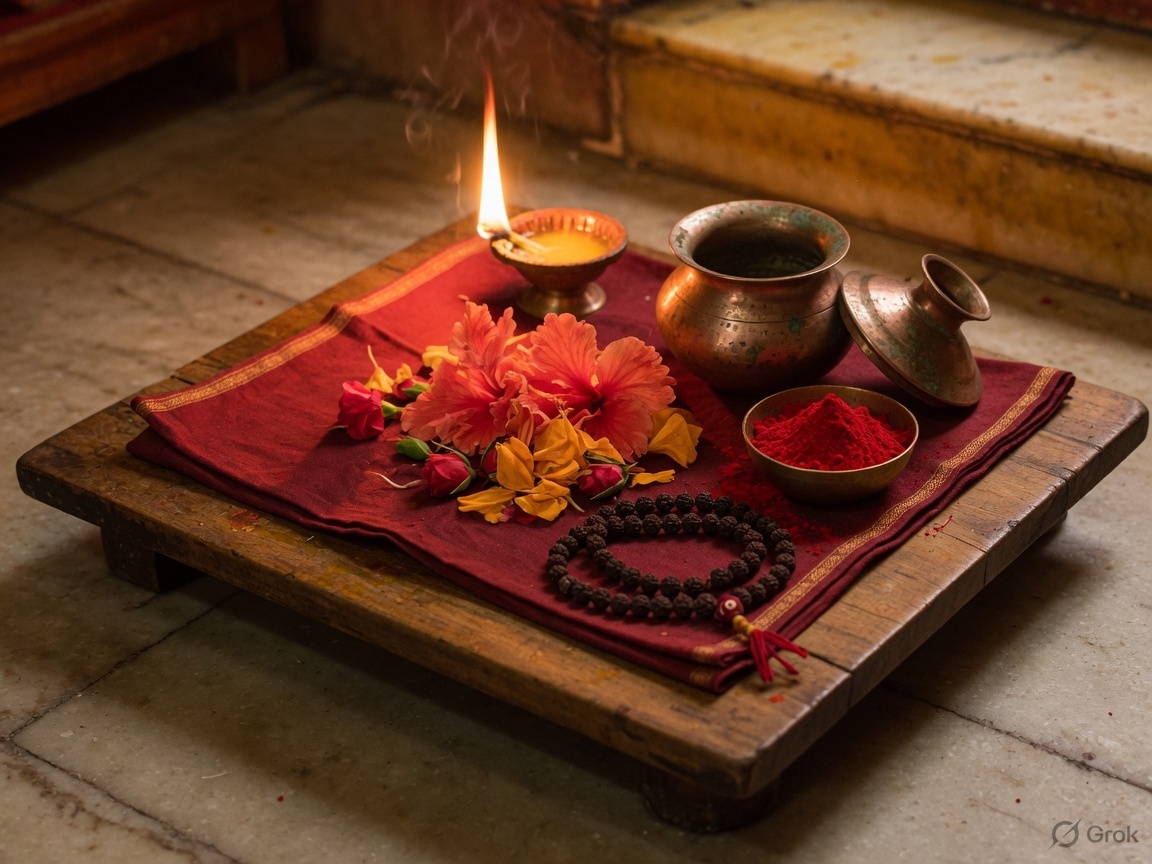
Mangal Dosh Shanti Puja (Manglik Dosh)
Mangal Shanti with sankalp, Mangal japa, havan and daan — advised only after the chart is read whole and the parihar checked.
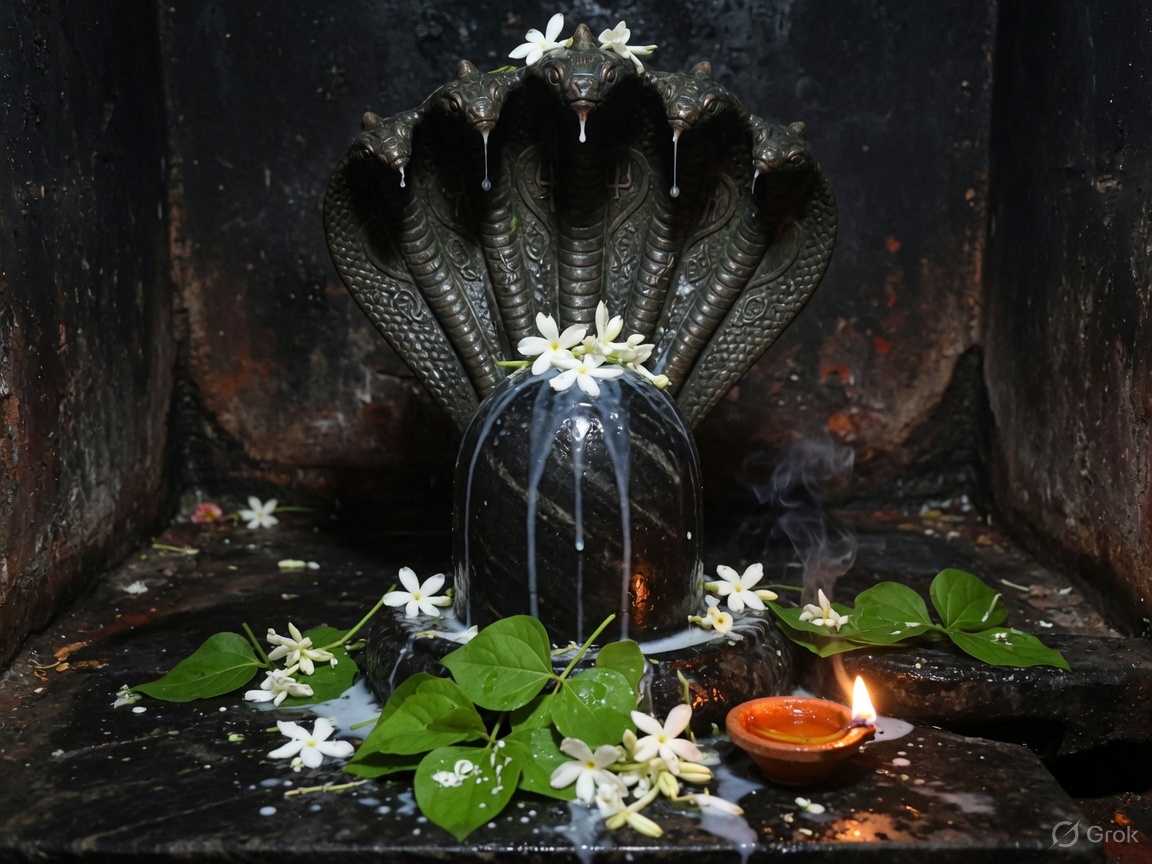
Kaal Sarp Dosh Shanti Puja
Kaal Sarp Shanti — Nag puja, Rudrabhishek, Rahu–Ketu japa and havan — advised once the Rahu–Ketu axis is read with the whole chart.