
Jaap, path and anushthan
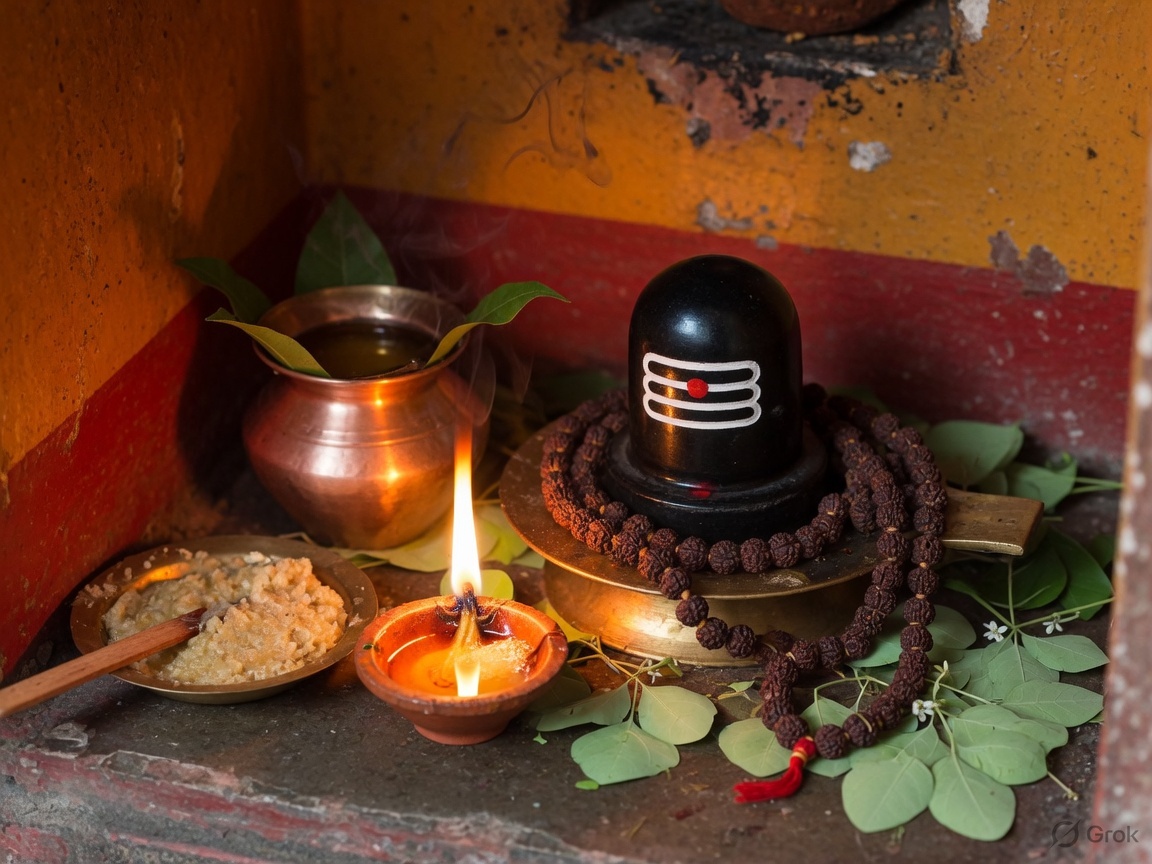
Mahamrityunjay Mantra Jaap Anushthan
Mahamrityunjay jaap with sankalp in the person’s name and gotra — a count fixed with the family, closed with dashansh havan.
A counted jaap of the Rigvedic Tryambakam mantra, held in India by ritviks with sankalp in the person’s name, closed with havan, alongside medical care.
What this includes
- Sankalp in the person’s name and gotra
- Ganesh puja, kalash sthapana and Shiv puja
- Jaap by ritviks, with the count recorded daily
- Dashansh havan, tarpan and marjan
- Brahman bhojan, purnahuti and aarti
- Samagri list on WhatsApp once the count and date are fixed
Families usually come to Mahamrityunjay jaap in a hard week. Someone is in hospital, or a report has come back that no one in the house wants to say aloud, or an elder is weakening without a single name for it. By then they have often been told one of two things: that the mantra will hold death back if enough pandits chant it, or that a recording played beside the bed is the same as an anushthan. The tradition teaches neither. Mahamrityunjay jaap is a counted, sankalp-bound prayer to Shiva as Tryambaka, held on behalf of a named person and closed with havan. It is offered alongside the doctors. It is never offered instead of them, and it promises nothing about recovery.
The mantra and where it comes from
The verse is the Tryambakam mantra of the Rigveda — the seventh mandala, the fifty-ninth sukta, the twelfth verse — in the mandala the tradition associates with Rishi Vasishtha. The same verse is carried in the Shukla Yajurveda, in the third adhyaya of the Vajasaneyi Samhita, which is why it lives in the Rudri and in the daily practice of Yajurvedi households. Its devata is Rudra as Tryambaka, the three-eyed one.
ॐ त्र्यम्बकं यजामहे सुगन्धिं पुष्टिवर्धनम्। उर्वारुकमिव बन्धनान्मृत्योर्मुक्षीय मामृतात्॥
Read it slowly. We worship the three-eyed one, fragrant, who increases nourishment. As the ripe cucumber is freed from its stalk, may I be freed from death — not from the deathless. The image is a ripe fruit leaving the vine without being torn. The prayer is for a release that comes in its own time and without violence, and for not being cut off from what does not die. It is not a contract that a body will not fail. I say this in the first conversation, because a family that hears the mantra as a guarantee is being set up for a second grief.
Puranic memory ties the name Mrityunjaya to Markandeya, the boy who held the linga as Yama came, and whom Shiva protected. That story is why families reach for this mantra in illness. It is a story about refuge, told to steady people, and I tell it in that spirit.
The form used in an anushthan
In anushthan practice the Vedic verse is often recited inside a samput: beej syllables and the vyahritis — bhuh, bhuvah, svah — placed before and after it. The samputit form is longer and slower. Which form is recited is settled at the sankalp and kept for the whole count. It is not switched halfway because a shorter version looked easier.
When families take it up
- During an illness or before an operation — on the doctors’ timetable, never in place of it.
- For an elderly parent, on a birthday or in a slow weakening, as a prayer for ayu.
- After an accident, or through a long recovery, when the family needs a discipline that is not only waiting.
- When a reading shows a difficult dasha and the family wants a prayer rather than a fear.
- In Shravan or on Mahashivratri, by households who keep it as Shiva upasana with no crisis behind it.
Let me say the medical part as plainly as I can. Do not stop a medicine, postpone a test, or take someone out of hospital for a jaap. Do not ask the ritviks whether to agree to an operation; ask the doctors. The jaap runs in parallel, as prayer for the person and steadiness for the family. If the treating doctor says the patient should not be near smoke or should not sit up for long, the patient does not sit at the havan. A family member sits in their place, and the sankalp is not weakened by it.
The count: what the sankalp fixes
The jaap is measured in sankhya, not in hours. The count is spoken in the sankalp along with the name, the gotra, the place and the purpose, and the anushthan is complete only when that count and its tenths have been offered. The full reckoning, which the tradition calls purascharan, runs like this:
- Jaap — the sankalp count. For a sava lakh anushthan, 1,25,000.
- Havan — a tenth of the jaap: 12,500 ahutis.
- Tarpan — a tenth of the havan: 1,250.
- Marjan — a tenth of the tarpan: 125.
- Brahman bhojan — a tenth of the marjan, about twelve or thirteen brahmans fed.
Where the havan cannot be offered in full measure, the paddhatis allow additional jaap in its place, in the proportion they set. I would rather settle that at the sankalp than leave a havan unfinished on the last evening.
Smaller sankalps are entirely proper: 11,000, 21,000 or 51,000, each with its own dashansh havan. A family may also keep a daily count of a few malas for forty days. A count the family can actually complete is better than a large number announced and quietly abandoned. The mala is of rudraksha, 108 beads. By long convention one mala is counted as 100 toward the sankalp; the extra eight cover a slip of the tongue or of the mind.
How many ritviks, how many days
The arithmetic decides the size of the sitting. As a working figure, a ritvik reciting the samputit form with clean pronunciation completes about a thousand in a full day.
- 11,000 — eleven ritviks in one day, or fewer ritviks over several days.
- 51,000 — eleven ritviks for about five days.
- 1,25,000 — eleven ritviks for about eleven or twelve days, or twenty-one ritviks for about six.
Havan, tarpan and marjan are added on the closing day. Anyone offering sava lakh by tomorrow evening with two pandits is offering a number, not a jaap.
How the anushthan is performed
- Sankalp in the name and gotra of the person, with the place, the tithi, the count and the purpose — spoken by the person or by a family member on their behalf.
- Ganesh puja, punyahvachan and kalash sthapana; in a larger anushthan, matrika and navagraha puja as well.
- Shiv puja at a Shivling or a parthiv linga, with avahan of Shiva as Mrityunjaya and shodashopachar.
- Viniyog, rishyadi nyas, kar nyas and anga nyas, and the dhyan shloka of Mrityunjaya.
- Daily jaap by the ritviks, with the count recorded at the close of each sitting.
- At completion: dashansh havan, tarpan and marjan, then purnahuti and aarti.
- Brahman bhojan, daan as the family is able, and kshama prarthana.
What the family arranges, and what I bring
The family arranges the place — a clean room in the house, or a temple or tirtha where they have arranged permission — food for the ritviks on the days they sit, and the samagri. The samagri list for the puja and for the havan is sent on WhatsApp once the count and the date are fixed, because it depends on both. I arrange the ritviks who sit for the count, conduct the sankalp, the nyas and the havan, and keep the daily record of the count so the family always knows where the anushthan stands.
Choosing the day
Somvar, Pradosh, the months of Shravan and Kartik, and Mahashivratri are the natural days to begin. When there is time, I choose the start from the panchang, keeping the sankalp out of Rahu kaal and away from a day the family cannot be present. When someone is ill, the tradition does not ask a family to wait three weeks for an ideal tithi. The sankalp is taken on the nearest suitable day.
On behalf of the person, and for families abroad
The jaap does not need the patient’s own voice. It is recited by ritviks on behalf of a named person, which is how the tradition has always served the sick, the very old and the absent. The person, or a family member, speaks the sankalp. Families abroad, or members who cannot travel, join by video for the sankalp on the first day and the purnahuti on the last, and receive the count as it rises. The ritviks sit in India. A havan is a fire lit in a room, and I do not describe a video call as one.
I am based in Lambhua, Sultanpur. The anushthan is held at a family’s home in Sultanpur and the nearby districts, or at a place elsewhere in India where I travel for it.
What I need from the family
- The person’s name and gotra, and their rashi or nakshatra name if it is known.
- Who will take the sankalp, and whether they will be present or join by video.
- The count the family can actually carry, and the days they can host the ritviks.
- The place, and any permission it needs.
- Anything the doctors have said about smoke, visitors, or the patient sitting up.
Questions people ask
- Can Mahamrityunjay jaap cure an illness?
- No one can honestly promise that, and I do not. The jaap is a prayer for the person and a steadiness for the family, held alongside treatment. Keep every medicine, test and appointment the doctors advise, and never delay care for the anushthan. If the doctors say the patient should not be near havan smoke, a family member sits in their place.
- How many times should the Mahamrityunjay mantra be chanted?
- For a full anushthan the traditional count is sava lakh — 1,25,000 — with havan, tarpan, marjan and brahman bhojan, each a tenth of the one before. Smaller sankalps of 11,000, 21,000 or 51,000 are proper and complete in themselves. For daily personal practice, one mala of 108 is enough. The right count is the one fixed at the sankalp that the family can actually finish.
- Can someone else do Mahamrityunjay jaap on my behalf?
- Yes, and that is the usual form. Ritviks recite the count with the sankalp taken in the person’s name and gotra. The person speaks the sankalp, or a family member does if they are in hospital or cannot sit. What matters is that the name, the count and the purpose are stated clearly at the start and kept to the end.
- Can Mahamrityunjay jaap be done online for NRI families?
- The jaap and the havan happen in India, with ritviks seated and a fire lit. A family abroad joins by video for the sankalp on the first day and the purnahuti on the last, and is told the count as it rises. I do not call a video call a havan. The count, the dates and the arrangements are discussed first on WhatsApp.
- How many days does a sava lakh Mahamrityunjay jaap take?
- It depends on how many ritviks sit. As a working figure, one ritvik completes about a thousand of the samputit form in a full day. Eleven ritviks therefore need around eleven or twelve days, and twenty-one need about six. Havan, tarpan and marjan are added at the close. A promise of sava lakh in one day with two pandits is a number, not a jaap.
- Duration
- As per the jaap count
- Where it is held
- Home or temple; family may join by video
- Phone
- +91 94547 82346
Mahamrityunjay Mantra Jaap Anushthan
Book this serviceServices
Jaap, path and anushthan
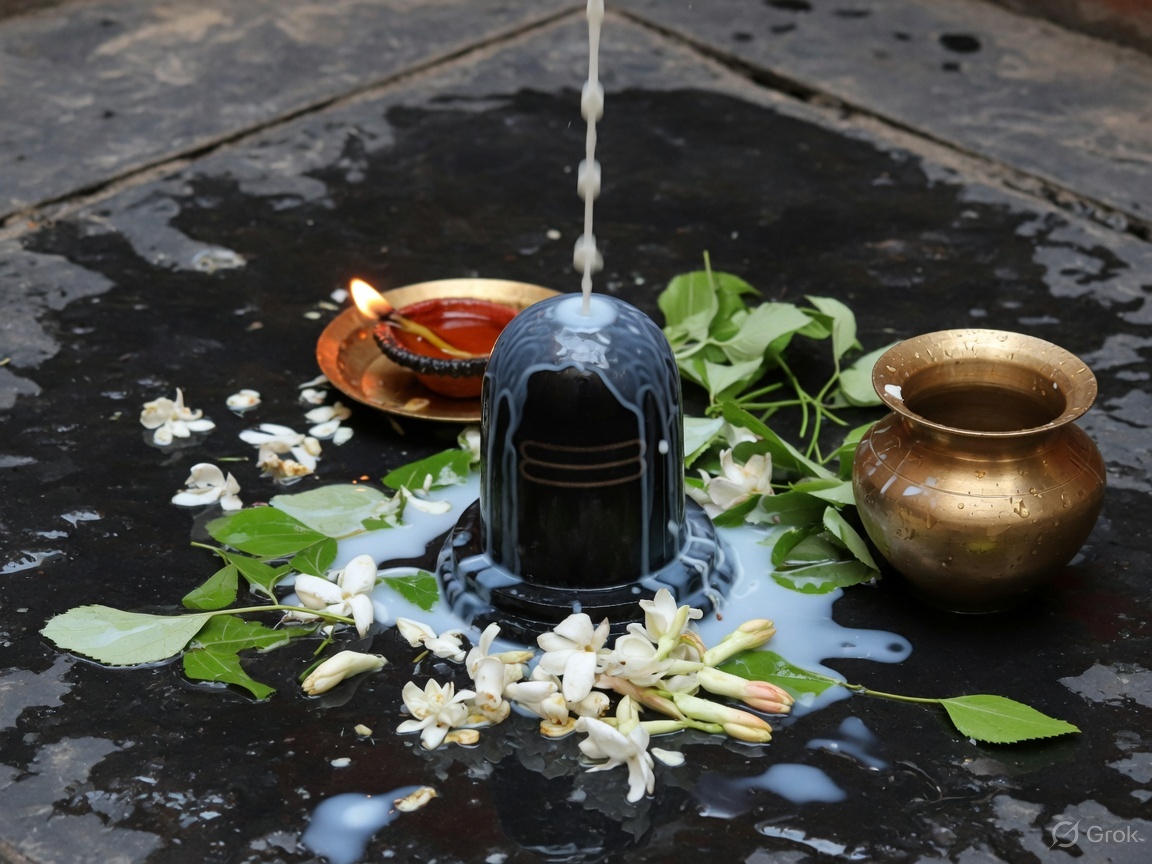
Rudrabhishek Puja with Rudrashtadhyayi Path
Abhishek of the Shivling with jal, dugdh and panchamrit while the Rudrashtadhyayi of the Shukla Yajurveda is recited.
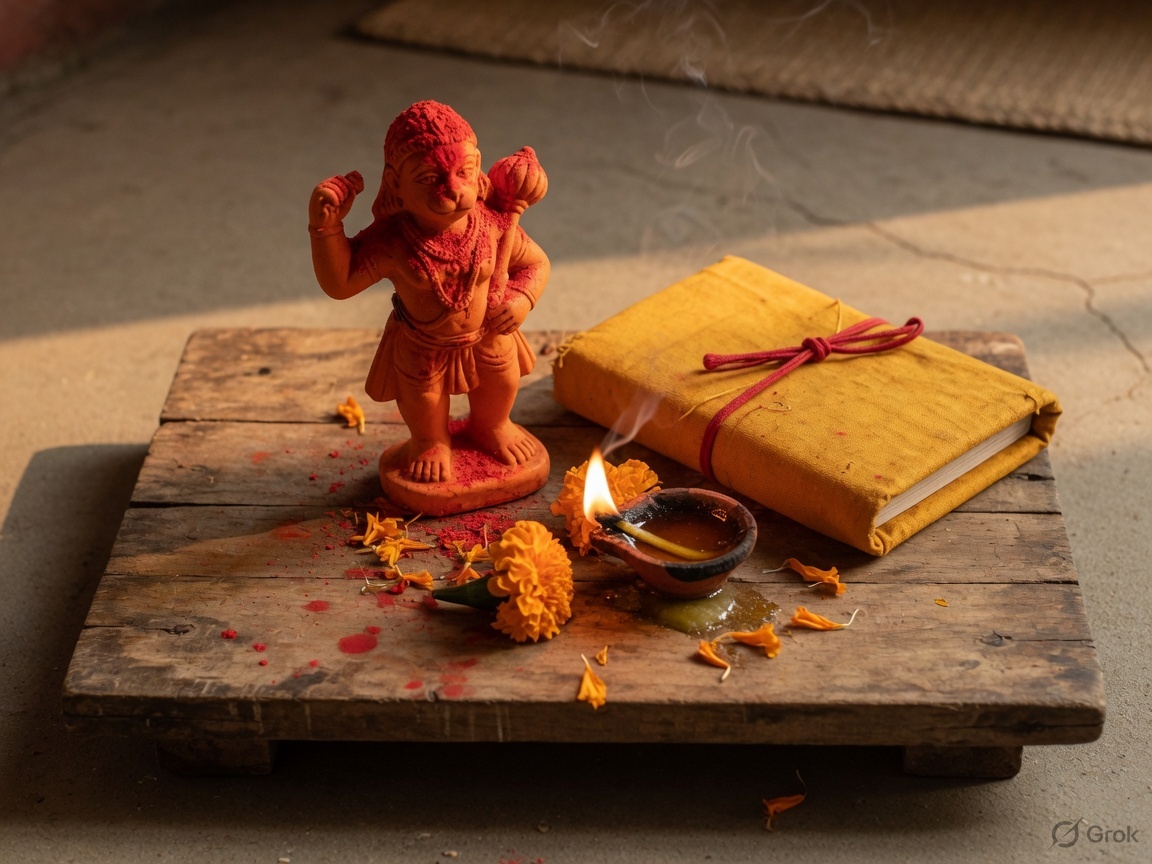
Sundarkand Path at Home (Tuesday and Saturday)
Sundarkand from the Ramcharitmanas, sung with the family before Hanuman ji, with Hanuman Chalisa, aarti and prasad.
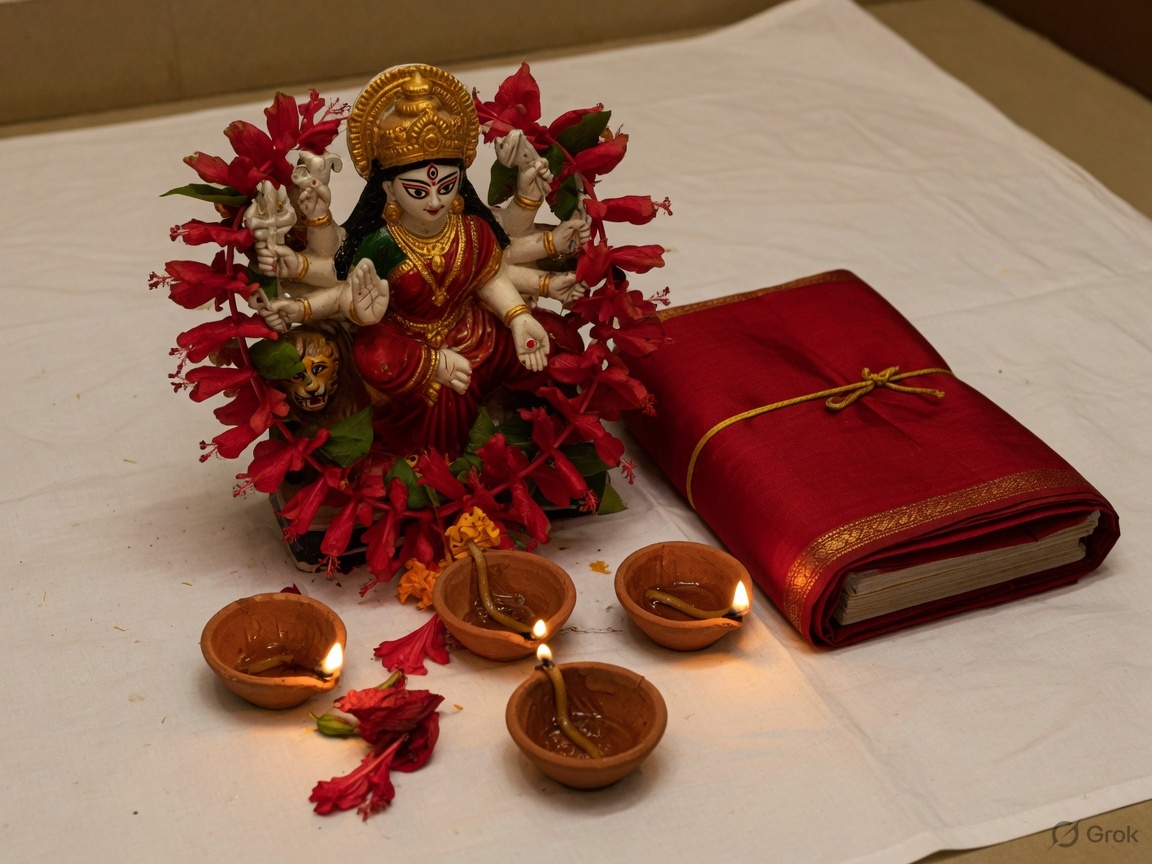
Durga Saptashati (Chandi) Path at Home
Durga Saptashati path — kavach, argala, keelak, the thirteen adhyayas and Navarna jaap — as a single path or across Navratri.